akarlab
Computational insight for hematological precision

Research focused on machine learning applications in hematological malignancies and computational flow cytometry.

About AkarLab

AkarLab is an independent research initiative led by Dr. Emre Akar, MD, a physician specializing in internal medicine and hematology at Tekirdağ Namık Kemal University. The lab sits at the intersection of clinical hematology and computational research, with a dual focus on machine learning applications in hematological malignancies and the development of computational methods for flow cytometry analysis.

By bridging rigorous clinical expertise with data-driven approaches, AkarLab aims to improve both diagnostic accuracy and clinical decision-making for patients with blood cancers.

Our vision

Our vision is to achieve optimal patient care and clinical decision-making through the power of innovative technologies. We believe that modern computational tools, when thoughtfully applied to complex clinical problems, can meaningfully advance the standard of care.

Published studies
Validation and Modeling of Flow Cytometric CD36 Coefficient of Variation Analysis in the Diagnosis of Lower-Risk Myelodysplastic Syndrome

Akar E, Çakmak Ş, Baysal M, Akpınar S, Turgut B · Turk J Haematol · 2025

Flow cytometry plays a supporting yet evolving role in the diagnosis of myelodysplastic syndrome (MDS), particularly in lower-risk cases where morphological findings are often subtle. In this study, we evaluated the diagnostic utility of the CD36 coefficient of variation (CV) — a marker of erythroid surface expression heterogeneity — in a local cohort of 82 patients undergoing bone marrow assessment for unexplained cytopenia. We established institution-specific cut-off values and developed a revised 5-point scoring model by integrating CD36 CV into the Ogata score, improving diagnostic specificity for lower-risk MDS from 33.3% to 80% without requiring additional antibody panels or increased laboratory cost.

All Publications on PubMed ↗
Featured study
Click to expand ↗

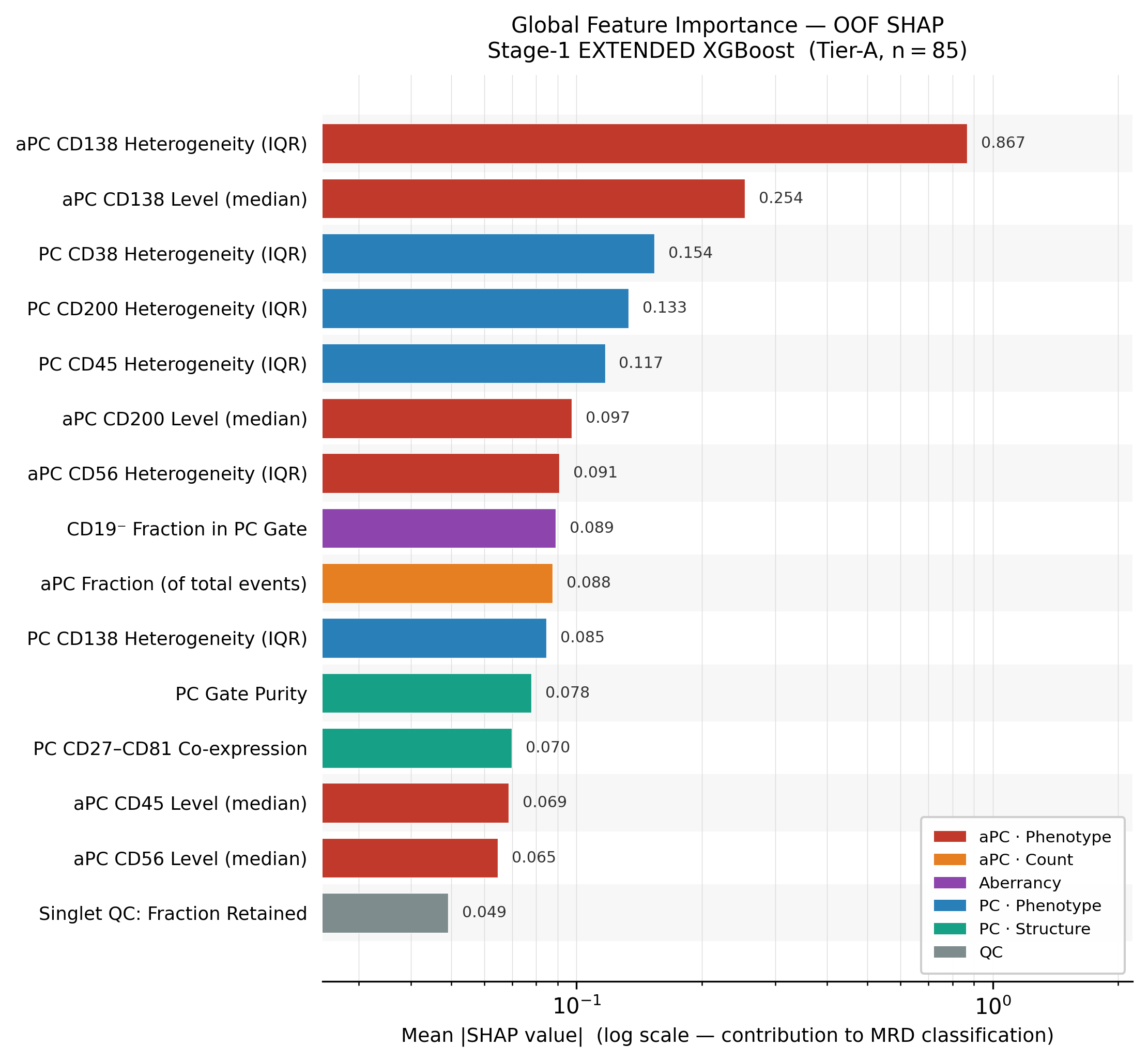
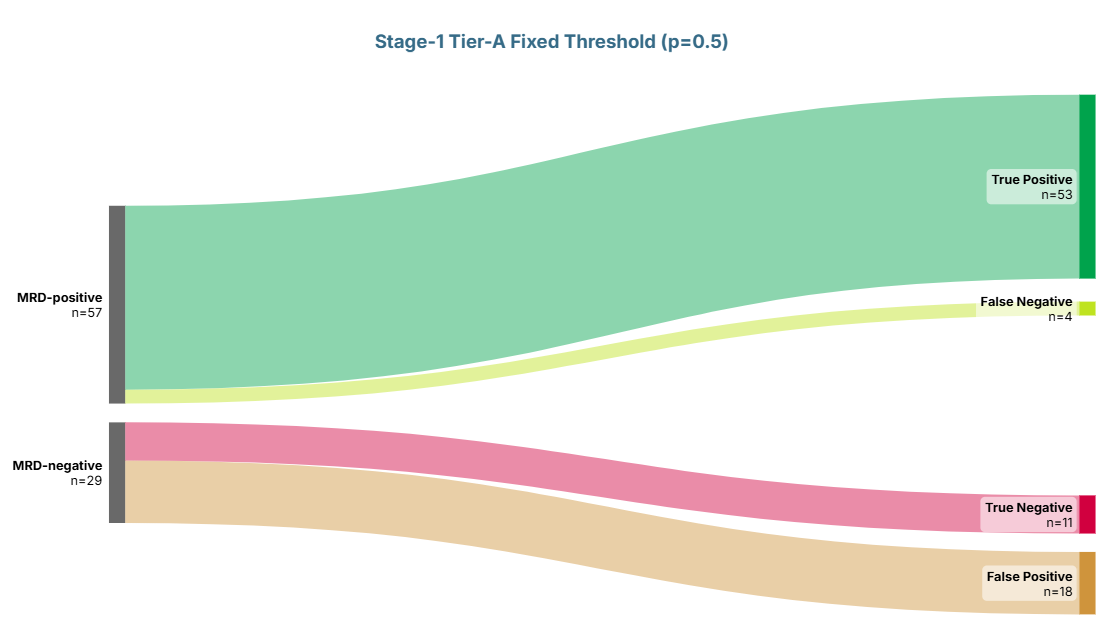
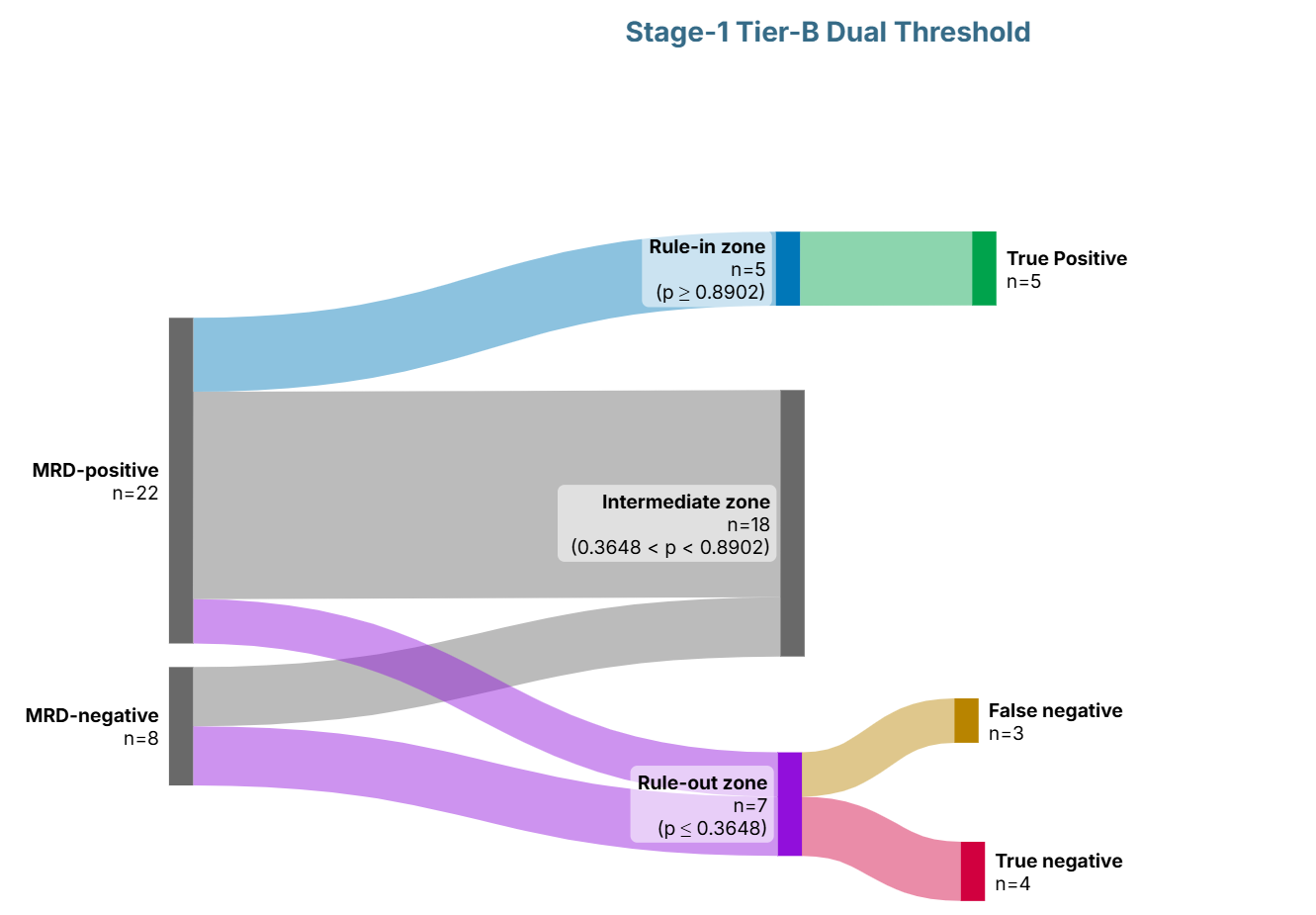
Automated Panel-Agnostic Flow Cytometric MRD Detection in Multiple Myeloma Using a QC-Aware Machine Learning Framework

A fully automated, panel-agnostic machine learning pipeline applied directly to raw flow cytometry data, designed to function across heterogeneous antibody panel configurations without manual gating. The framework integrates acquisition-level quality control metrics, biologically informed feature generation, multi-stage classification, and SHAP-based model interpretability.

Presented · 7th European Myeloma Network Meeting · Prague, April 16–18 2026
Ongoing & planned work
APL-ML Acute Promyelocytic Leukemia

Early mortality remains the primary challenge in acute promyelocytic leukemia. This project aims to develop a prognostic model integrating clinical and flow cytometry data to predict early death and long-term survival, supporting more precise risk stratification at diagnosis.

MM-MRD-ML Multiple Myeloma · MRD

Manual MRD assessment by flow cytometry is operator-dependent and difficult to standardize. This project develops an automated classification framework for MRD status in multiple myeloma, applied directly to raw flow cytometry data across heterogeneous panel configurations.

RBC-FC Erythrocyte Morphology

Red blood cell morphology carries important diagnostic information that is currently assessed through subjective manual review. This project explores a novel flow cytometry–based approach to quantify RBC morphological features in an objective and reproducible manner.

SPEP-ML Monoclonal Gammopathies

Serum protein electrophoresis gel images contain rich diagnostic information that is still interpreted manually in most settings. This project develops an image analysis model to automatically detect and quantify M-protein bands from SPEP gel images.

HCL-ML Hairy Cell Leukemia

This dual-objective project addresses both the prognostic and diagnostic dimensions of hairy cell leukemia. The first component builds a prognostic model using clinical and flow cytometry data; the second develops a diagnostic model operating on raw flow cytometric measurements.

Venetoclax-FC Acute Myeloid Leukemia

Response to venetoclax-based regimens varies substantially across AML subtypes. This project evaluates the relationship between flow cytometry–defined disease subtypes and treatment response, aiming to identify immunophenotypic correlates of venetoclax sensitivity.

R-CHOP-ML Lymphoma

Treatment decision-making in lymphoma patients undergoing R-CHOP chemotherapy remains largely empirical. This project develops a predictive model to support individualized clinical decisions, incorporating clinical and laboratory parameters collected at baseline and during treatment.

DNMT1 MDS / AML · Translational

DNMT1 is a key epigenetic regulator with potential relevance to hypomethylating agent response. This project evaluates flow cytometric DNMT1 expression in MDS and AML patients and investigates its association with azacitidine treatment outcomes.

MDSC Lymphoma / CLL

Myeloid-derived suppressor cells play an emerging role in immune evasion in hematological malignancies, and have been increasingly recognized as a relevant factor in the context of allogeneic stem cell transplantation and CAR-T cell therapies. This project investigates the effect of treatment on peripheral MDSC levels in patients with lymphoma and CLL, using longitudinal flow cytometric assessment.

CICI Lymphoma · Cognitive impairment

Chemotherapy-induced cognitive impairment is an underrecognized complication with significant impact on quality of life. This prospective study systematically assesses the incidence, severity, and trajectory of cognitive changes in lymphoma patients undergoing chemotherapy.

About Dr. Emre Akar
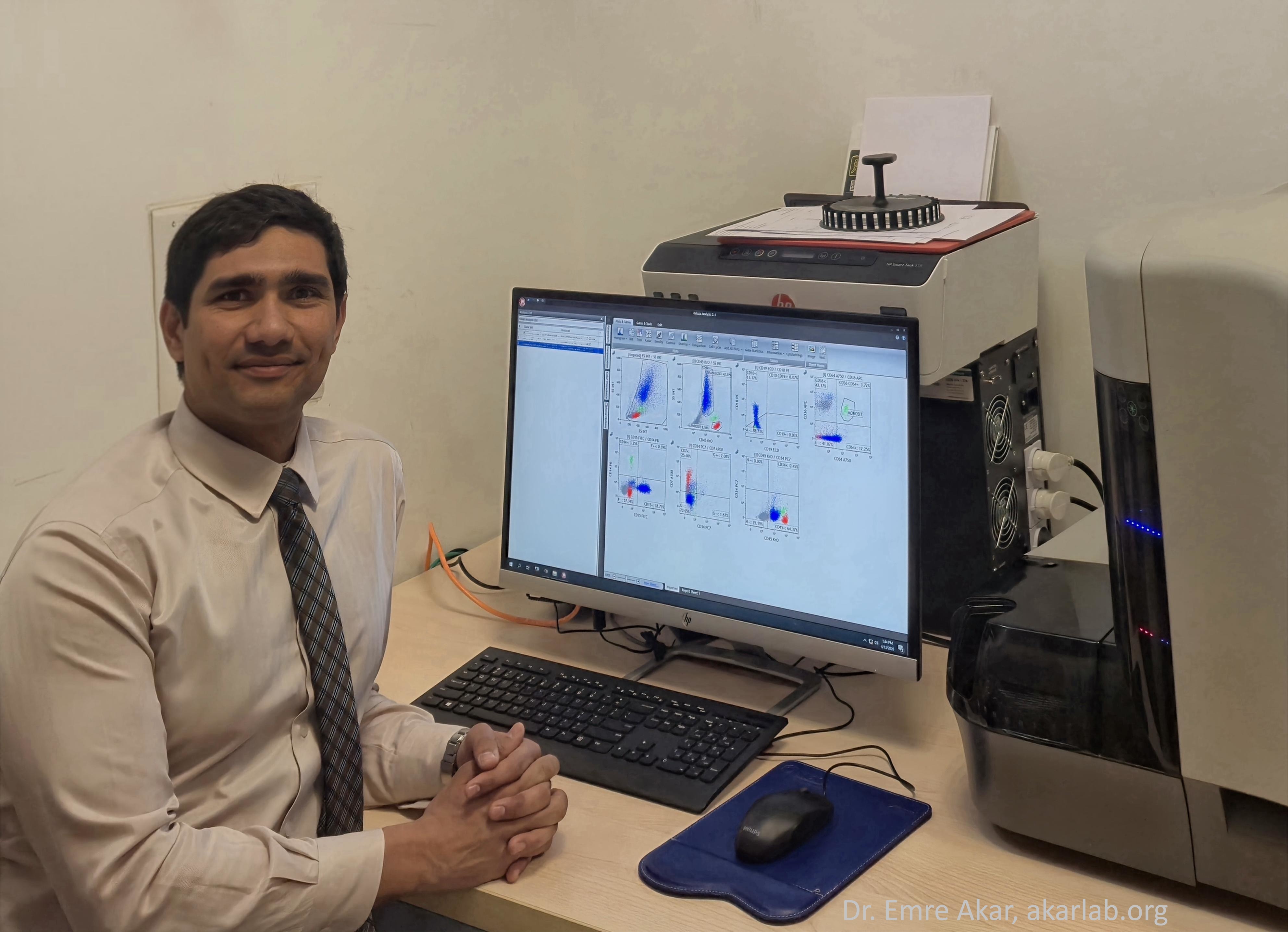
Dr. Emre Akar

Dr. Emre Akar, MD is a physician specializing in internal medicine, currently completing a fellowship in hematology at Tekirdağ Namık Kemal University Faculty of Medicine, Tekirdag, Turkiye. His clinical and research interests are centered on hematological malignancies.

Dr. Akar has served as an investigator in numerous phase III clinical trials, contributing to large-scale, multicenter research across oncology and hematology. His independent research sits at the intersection of clinical hematology and data science, with a dual focus on the development of computational methods for flow cytometry analysis and the application of machine learning to improve diagnostic accuracy and clinical decision-making in blood cancers.

This approach reflects a commitment to translating complex laboratory data into clinically actionable insight.
Contact
Institution Tekirdağ Namık Kemal University
Faculty of Medicine
Department of Hematology
Tekirdag Turkiye

For research collaborations, data inquiries, or clinical trial participation, please reach out via email. All correspondence related to ongoing projects and publications is welcome.